Pain Management for Labor
I LOVE teaching pain management for labor! When parents explore labor pain, they ultimately discover a greater capacity within themselves for pain coping. This realization leaves them feeling more empowered and confident about their upcoming births. It's exciting to watch!
Get Out of Jail Free Card
When I was a sassy teenager, I once told my mom that when I got older and had babies, I would be getting an epidural. It didn't make sense why someone wouldn't get one! To me, it seemed like a get out of jail free card.
Understanding Labor Pain
Looking back, I didn't understand 3 things:
- The hormonal blueprint of labor and the benefits of uninterrupted birth
- How parents unknowingly increase their labor pain through the fear tension pain cycle and
- The benefits of labor pain. There are benefits... who knew?!
- Natural birth lowers complications for both women and their babies

Pain Management for Labor
Labor pain is an inevitable part of childbirth, but there are many techniques and strategies available to help manage and reduce discomfort. By understanding options ahead of time, parents are better able to make informed choices throughout the birthing experience.
Stages of Labor
Before we skip to getting through labor without an epidural, it's important to understand each stage of labor.
The first stage of labor is where women will spend most of their time and is broken up into three parts:
After that comes pushing, and then the birth of the placenta. Easy as pie, right? Through all of these stages and parts of labor, women want to know what their contractions will feel like, the best pain coping strategies for each, and tips for natural birth.

Labor Breathing Technique
A basic, easy to learn pain coping strategy for labor is what I call breath awareness - a labor breathing technique. It's simple, easily learned on the spot, and extremely effective for labor pain.
Believe it or not, it's even more effective when the eyes are kept open. It's even more effective pairing it with connection with a loving partner!

Pain Management for Labor at Home
Some parents don't want to birth at home, but rather labor at home as long as possible before heading to the hospital. In addition to breathing techniques, there are many effective pain management options when laboring at home, like using a birthing tub, massage, counter pressure, and other birthing tools. Here are some more ideas!
Rest and Relaxation
While contractions build at home, make sure to make the most of the time between contractions - relax, drop the shoulders, take a sip of water, eat a labor snack, rinse and repeat. It's important to prioritize rest, especially in early labor.
One of the most surprising struggles first time moms report is exhaustion, especially in transition and pushing. Anything parents can do to prioritize rest in the earlier stages of labor will be much appreciated later on.

Movement and Changing Positions
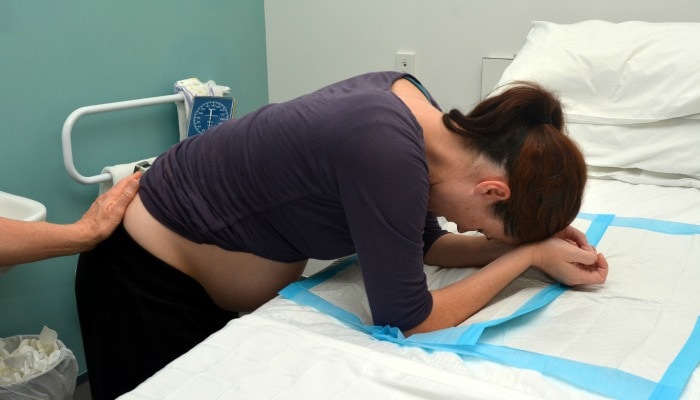
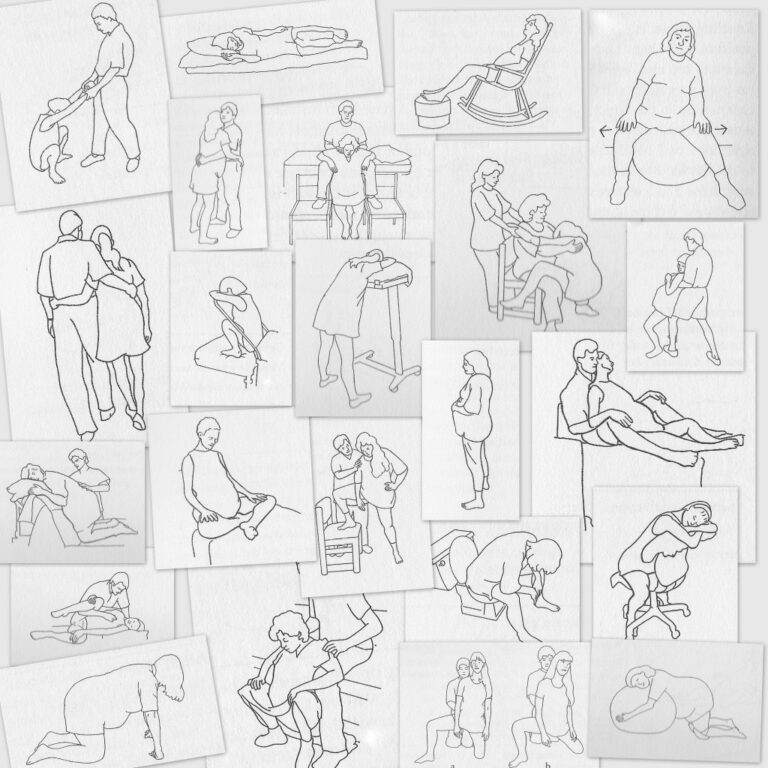
An effective pain management for labor strategy is freedom of movement and position changing. When women move instinctually throughout labor, they choose positions than decrease pain, but interestingly enough, also help labor progress.
Women choose positions off their backs, which allows gravity to help labor along. Being off one's back also encourages the full range of movement in the pelvis, creating the most space for baby's exit.
The 5 most popular birthing positions for reduced pain and length of labor are:
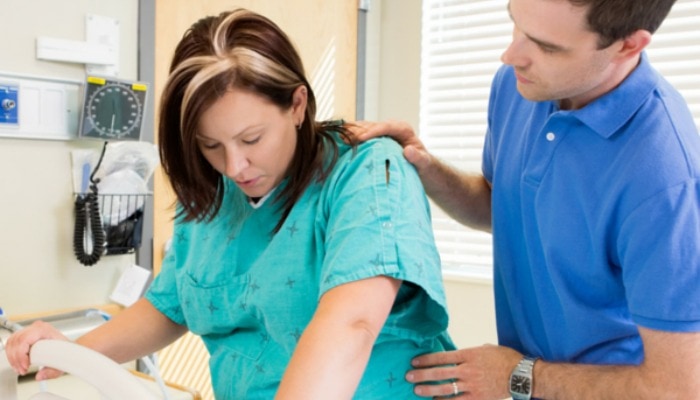
- Standing, Rocking, and Leaning
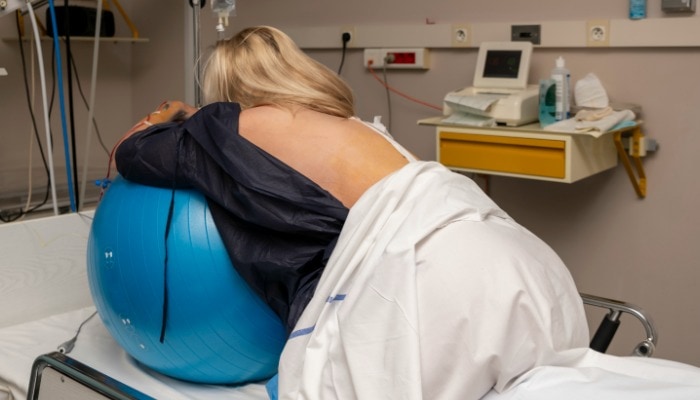
- Sitting and Rocking on a Birthing Ball
- Hands and Knees or Kneeling
- Sitting on the Toilet
- Side-Lying
Birth Affirmations, Encouragement, and Reminders
Another pain management for labor strategy is the use of birthing affirmations, words of encouragement, and reminders of what is normal.
- Birth affirmations are phrases said, thought, and seen like "I can do this" and "one contraction at a time, one breath at a time". Birth affirmations counter the fear, doubt, and overwhelm that visit women during the hardest parts of birth.
- Encouragement is a key element for managing pain during transition, the toughest part of labor. For parents looking to get through birth without an epidural, be ready to offer and receive encouragement when it seems like birth is impossible and you want to give up.
- Despite all the best childbirth education, when in the hardest parts of birth it's easy to think that something is wrong. Women commonly think they're not progressing enough, coping well enough, even if they are. Having a birth team ready to offer reminders of what's normal is extremely helpful.
"An hour ago you didn't feel hot and cold, shaky, and weren't vomiting. I know right now it seems like things aren't going well, but these are actually signs that we are getting closer to pushing. You're doing it!"

Pain Management for Hospital and Labor Variations
There are many options for pain management in the hospital. Much of what was possible at home is still possible. It's 100% possible to have an empowered natural hospital birth!
- The use of a shower or birth tub is often still available, however, waterbirth is typically no longer an option in hospitals.
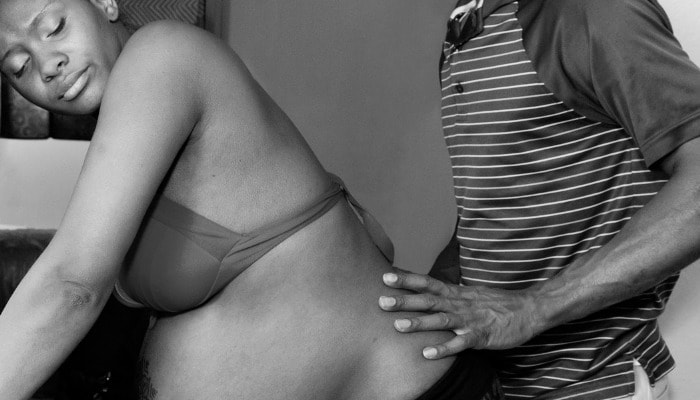
- Birthing balls, peanut balls, freedom of movement, massage, etc. are examples of pain management options in the hospital.
- Birth plans and doulas are encouraged and recommended for reducing pain at a hospital birth.
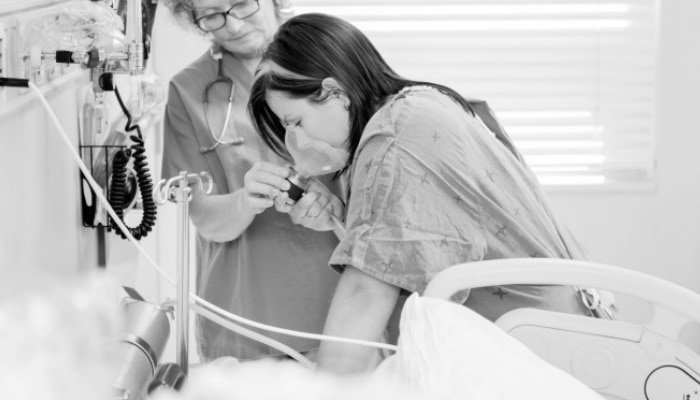
- More and more hospitals are now offering gas and air for labor, also known as nitrous oxide for labor. Nitrous in labor is more common in the UK, but is becoming more popular in the US.
- IV pain meds (narcotics) in labor are the go-to alternative to epidurals

Labor can be pretty unpredictable, and it's helpful to be familiar with variations of normal labor. Here are Mother Rising's "how to's" for the hardest parts of labor.
- How to Rock Back Labor
- How to Progress Prodromal Labor
- How to Get Through Painful Labor Before an Epidural
- How to Rock a Long and Difficult Birth
- How to Give Birth Alone in a Hospital (not needed so much post-pandemic thank goodness)
- How to Decrease Tearing at Birth

Pain Management Posts
The following are Mother Rising's posts all about pain management in labor.